
Aug. 05, 2026
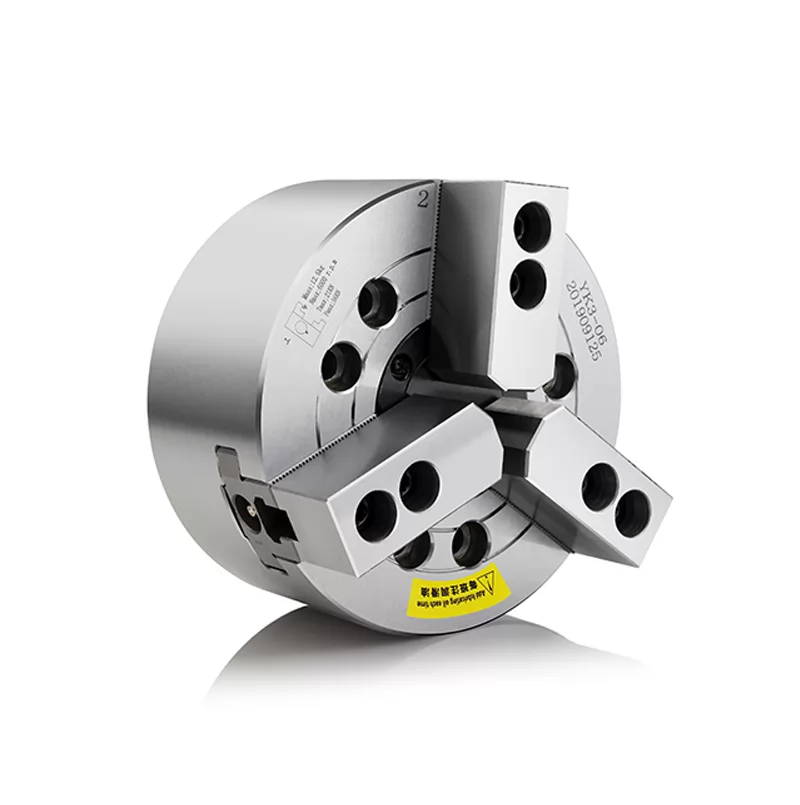
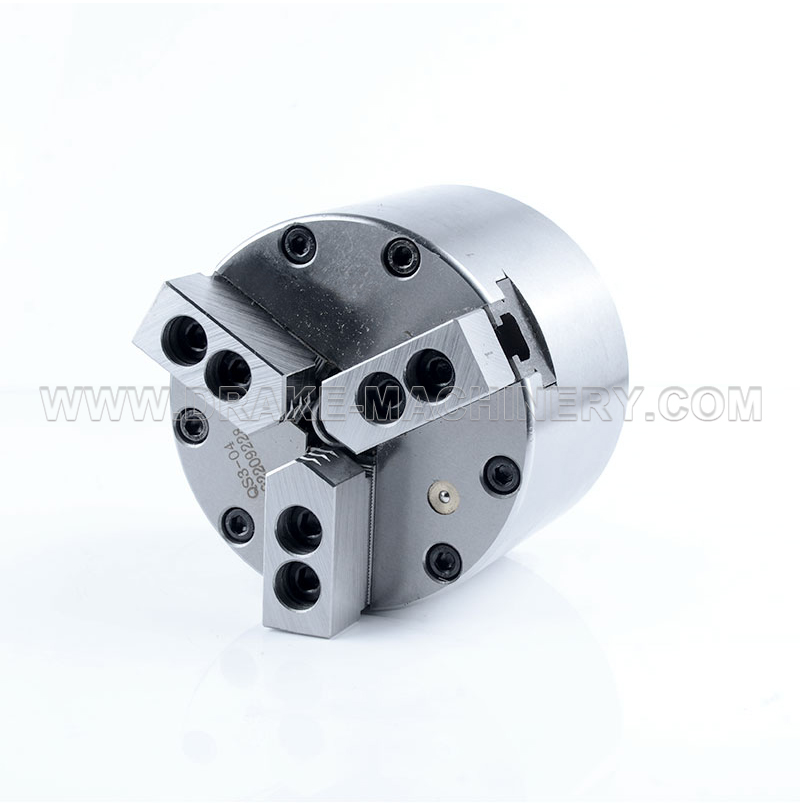
In the highly specialized field of machining, the lathe machine\'s 3 jaw chuck has become an indispensable tool. However, one recurring challenge that I often encounter is the significant variation in pricing across different manufacturers. This discrepancy can be perplexing for both seasoned machinists and newcomers alike. When considering the purchase of a lathe machine 3 jaw chuck, many factors influence its price—ranging from design and materials to manufacturing processes and quality assurance standards. Understanding why these price variances exist is not just a matter of curiosity; it is crucial for making informed purchasing decisions that can affect operational efficiency and profitability.
Multiple underlying factors contribute to the variance in the lathe machine 3 jaw chuck price. One major factor is the materials used in the construction of the chuck. High-quality chucks are often made from alloy steels, which offer superior wear resistance and durability, while more budget-friendly options may utilize lower-grade materials that can compromise performance. Additionally, the precision of manufacturing processes significantly impacts pricing. A lathe machine 3 jaw chuck designed with a precision tolerance of 0.01mm will invariably cost more due to the stringent requirements for machining and inspection, which may involve rigorous processes such as 100% inspection per ASTM standards. Furthermore, design features—such as self-centering mechanisms or integrated locking systems—are typically found in higher-priced models, enhancing their functionality but naturally escalating cost.
From an industry perspective, the price of lathe machine 3 jaw chucks can profoundly influence the efficiency and effectiveness of manufacturing processes. For example, a manufacturer choosing a lower-priced but inferior chuck may face issues such as inaccurate workpieces and ultimately increased scrap rates. In contrast, companies that invest in reliable, high-quality chucks not only ensure higher precision in their work but also benefit from improved machine longevity and reduced maintenance costs. According to a case study conducted by DRAKE, companies that upgraded to higher-quality chucks saw a 40% reduction in production downtime over six months. This evidence highlights that while initial investment prices may seem steep, the long-term benefits can significantly outweigh the costs.
It is imperative to understand the consequences of neglecting the importance of selecting the right lathe machine 3 jaw chuck. Over time, businesses that opt for cheaper alternatives may experience a decline in product quality and an increase in operational inefficiencies. If one’s products begin to fail quality standards or if machine breakdowns occur frequently, it can lead to severe reputational damage and the loss of customer trust in a competitive marketplace. Ignoring the implications of price variance may also hinder scalability, as companies are forced to reevaluate their equipment every few years, incurring additional costs that could have been avoided.
In conclusion, the variation in prices for lathe machine 3 jaw chucks across manufacturers is attributed to several interconnected factors, including materials, precision engineering, and design features. Investing in a quality chuck is not merely a choice; it’s a strategic decision that can dictate the trajectory of your machining operations. As you consider your options, I encourage you to weigh the long-term implications of your choice. Opting for high-quality lathe machines like those offered by DRAKE can provide the reliability and excellence necessary for sustained success. For more information and to review specific models, visit DRAKE to explore how a quality 3 jaw chuck can enhance your operational capabilities. Make informed decisions that elevate your manufacturing processes—a small investment today can lead to substantial gains tomorrow.