
Jul. 30, 2026
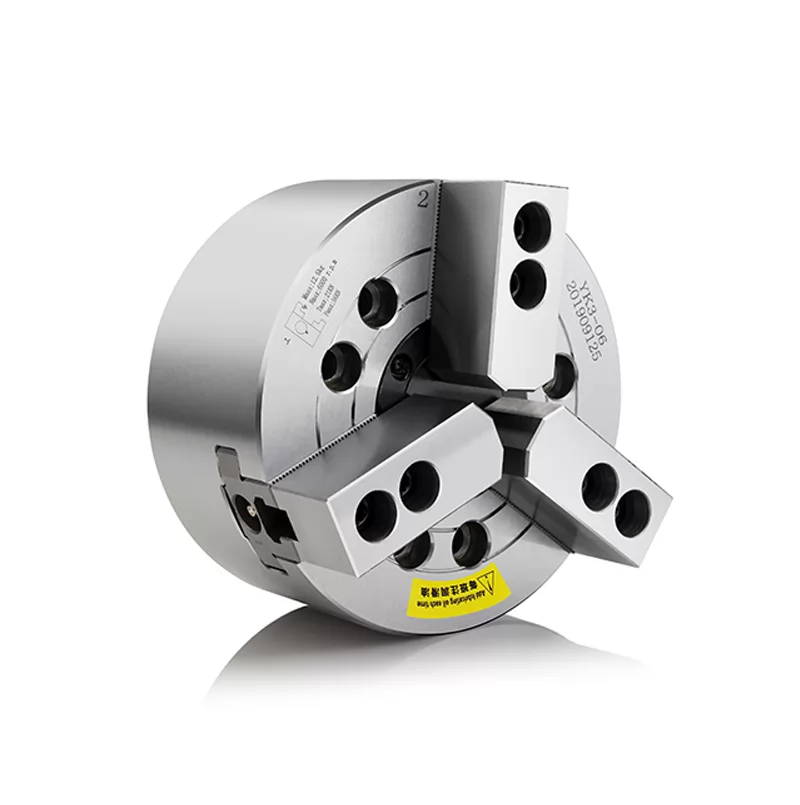
When considering the procurement of a lathe machine 3 jaw chuck, many factors can influence the final price you will encounter. Whether you\'re a seasoned machinist or a novice just starting your journey in metalworking, understanding these variables is crucial for making an informed purchase. In this guide, we will explore various price determinants, providing you with actionable insights, practical steps, and a comprehensive breakdown of costs associated with purchasing a lathe machine 3 jaw chuck, particularly from industry-leading providers like DRAKE.
To embark on this journey, first, you need to assess your specific needs. Are you working on high-production runs with tight tolerances or occasional projects that require versatility? Establishing this foundational understanding will allow you to make more tailored decisions throughout the purchasing process.
Material Quality:
The material used to manufacture the 3 jaw chuck significantly influences its cost. Chucks made from high-grade steel or other durable materials may come with a higher price tag, but they ensure longevity and precision, often reducing maintenance costs over time.
Design Complexity:
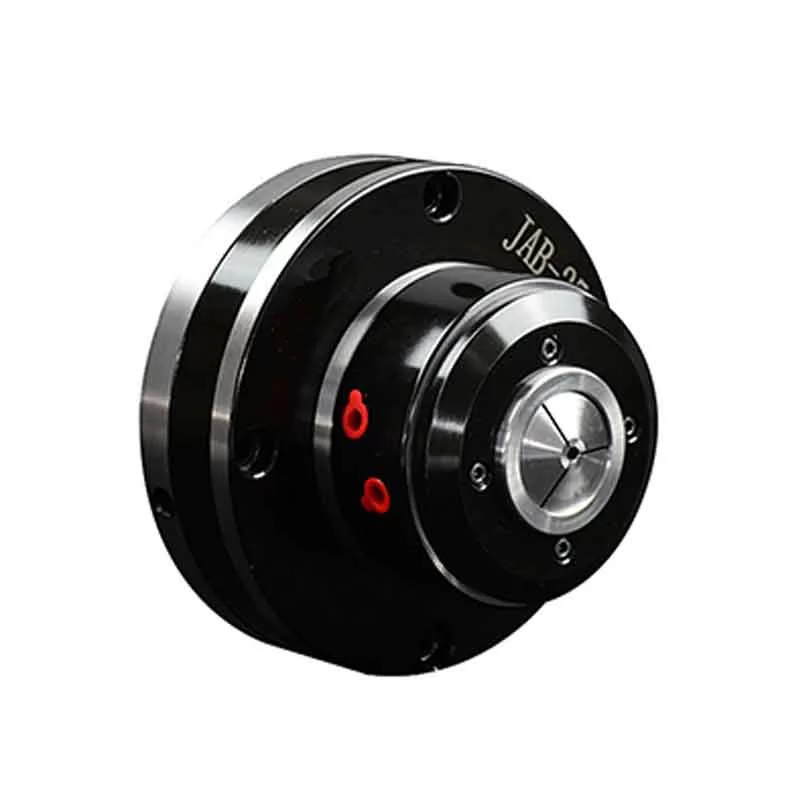
A chuck with additional features such as interchangeable jaws or pneumatic actuation can escalate costs. Determine whether you need these enhanced functionalities based on the types of projects you undertake.
Brand Reputation:
Brands like DRAKE carry an established reputation, often reflected in their pricing. Engaging with reputable manufacturers ensures compliance with industry standards such as ASTM and DIN, guaranteeing a reliable performance that lesser-known brands may not provide.
Size and Capacity:
The size of the chuck directly affects the price. Chucks capable of handling larger workpieces tend to be pricier due to the increased material and engineering involved.
Conduct Research:
Begin by researching different brands and models available in the market. Utilize platforms that aggregate reviews and user feedback to gain insights on performance and reliability.
Compare Specifications:
Create a comparison chart that includes specifications, capacities, and price points of different chucks you are considering, such as those offered by DRAKE. This allows you to visualize which options best meet your operational requirements.
Set a Budget:
Define your budget, considering not just the upfront cost but also long-term aspects such as maintenance, potential failures, and operational efficiency.
Evaluate Vendors:
Reach out to multiple suppliers to gather quotes. Make sure to inquire about their warranty policies and after-sales support, factors that contribute significantly to the overall cost of ownership.
Negotiate Price:
Don’t hesitate to negotiate the price with vendors, especially if you are considering bulk purchases or establishing a long-term working relationship.
Specification Sheets: Always review detailed specification sheets provided by manufacturers, especially for critical metrics like gripping force and precision tolerances (e.g., design precision tolerance to 0.01mm).
Finance Tools: Leverage financial calculators available online to determine the total cost of ownership including upfront costs, maintenance, and expected lifetime outputs.
Challenge: Overestimating or underestimating your needs may lead to purchasing errors, resulting in wasted capital.
Solution: Always consult with industry professionals or experienced users before finalizing your choice, ensuring that your decision aligns with actual operational needs.
Challenge: Navigating the complexities of warranties and support after purchase.
Solution: When purchasing, clarify warranty terms and seek vendors with a solid track record for customer service and support.
In conclusion, procuring a lathe machine 3 jaw chuck involves navigating a variety of factors, from material quality and brand to size and design complexity. By following the structured approach outlined above, you can make an educated decision tailored to your specific applications. Remember to utilize reputable suppliers like DRAKE, ensuring you attain a product that aligns with your operational demands. Don\'t forget to regularly revisit your research and continually adapt to new developments in the market.
By taking these actionable steps, you\'ll not only secure a high-quality product but also invest in a solution that stands the test of time in your machining tasks. Embrace this process, and let it guide you towards achieving precision results in all of your projects.