
Oct. 15, 2026
A tool that slips, marks a finished part, or needs frequent replacement can cost a machine shop more than the chuck itself. For buyers comparing how to choose Collet Chuck Manufacturers, a precision collet chuck manufacturer for CNC machining, or a custom ER collet chuck supplier, the useful evidence is measurable: ER collet chuck compatibility, CNC tool holder fit, and runout accuracy. Ask each supplier for results tied to a stated gauge length and test setup, plus documented total indicated runout (TIR), clamping force, and balance grade. With those details, purchasing teams can compare suppliers for the actual job instead of choosing by brochure language.

As shops run smaller batches, tighter tolerances, and a wider mix of materials, a holder that works acceptably for one tool and spindle speed may not suit the next job. The practical question is not simply whether a collet chuck fits the spindle. It is whether the complete system—chuck body, collet, nut, tool shank, and machine interface—can hold the required tool securely and repeatably under the intended cutting conditions.
That is why buyers increasingly ask for a drawing, a stated measurement method, and a sample test before approving a new source. These steps matter especially when a shop is qualifying a second supplier, replacing an older chuck series, or sourcing custom dimensions. A supplier’s catalog can establish what is offered; a controlled sample and clear acceptance criteria help establish whether it suits the process.
The list below is a starting point for due diligence, not a claim that one company is best for every application. The order is an evaluation sequence, not a performance ranking. Product families, regional availability, and current pricing should be confirmed directly with each company.
Before treating any shortlist as a purchase decision, verify the company’s legal seller identity, manufacturing location, product model, and warranty terms. A distributor may be the right source, but the buyer should know who makes the chuck, who inspects it, and who handles a technical claim.
Runout is useful only when the measurement conditions are stated. Ask for the TIR at a defined distance from the chuck face, with the specified collet and a ground test bar of stated diameter. Also ask whether the result applies to an individual assembly, a sample, or a production limit. A figure without gauge length, test bar, and setup is difficult to compare fairly.
For an incoming sample, use the same spindle, test bar, gauge length, and measuring method across suppliers. Record the result at the tool end and, when relevant, check repeatability after removing and reinstalling the assembly. This does not replace an application trial, but it helps identify whether differences come from the chuck, collet, spindle interface, or test setup.
ISO 15488:2008, titled Collets for clamping tools with cylindrical shank, specifies dimensions and designations for covered collet types. It is a useful reference when checking dimensional compatibility, but compliance with a dimensional standard does not by itself certify runout, material quality, service life, or performance at a particular speed. ER products are also commonly described by DIN 6499 designations; ask the supplier to identify the exact standard and series rather than relying on “ER-compatible” as a complete specification.
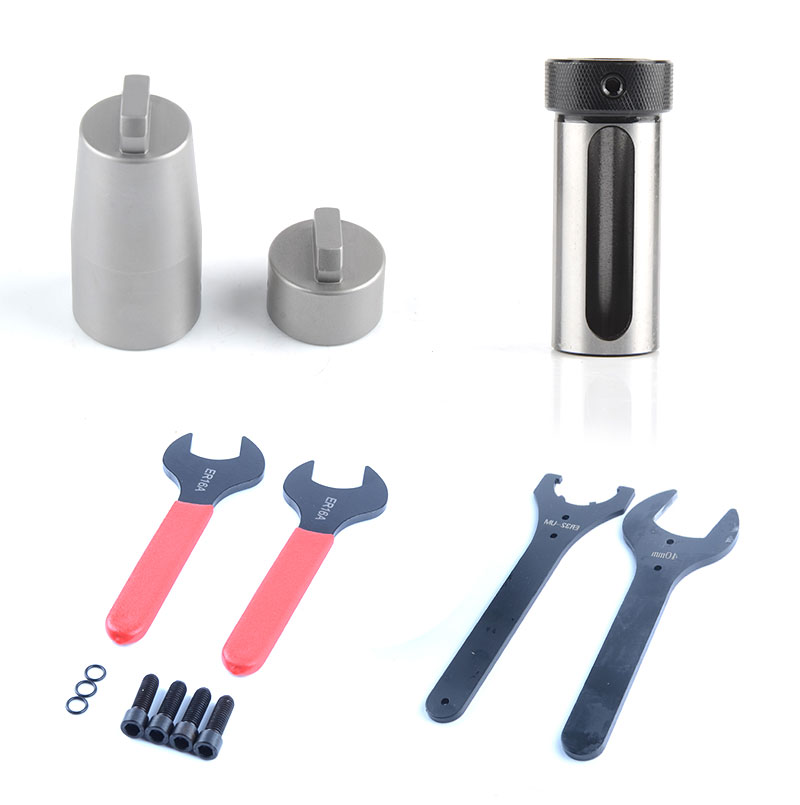
Confirm the spindle taper or interface, collet series, clamping range, nut, and wrench requirements as one system. A collet and chuck that appear to share a nominal size may still differ in design details or approved operating limits. Never mix components solely because they can be assembled.
Ask what material is used for the chuck body and collets, what heat-treatment or finishing controls apply, and how the supplier traces batches. A useful quality response describes the inspection plan: for example, which dimensions are checked, how runout is sampled, and how nonconforming parts are contained. Certifications can indicate that a quality-management system is in place, but they do not prove that a particular chuck meets the buyer’s drawing or process requirement.
For demanding production, request a sample inspection report and confirm whether the quoted tolerance is guaranteed for every unit or applies to a test sample. If the supplier cannot provide a report, agree on an incoming inspection plan and written acceptance limits before ordering.
Clamping performance depends on the collet design, nut, lubrication and assembly practices, tool-shank condition, and operating load. Ask for the manufacturer’s approved tightening method and torque, where specified, and the maximum operating speed for the exact assembly. The chuck’s rated speed is not automatically the safe speed for every collet, nut, tool, or machine setup.
For high-speed use, request the stated balance grade and the conditions under which it applies. ISO 21940-11:2016 covers procedures and tolerances for rotors with rigid behaviour; it is a technical reference, not a blanket certification of an entire tool-holder assembly. Confirm which components were balanced together, the speed basis, and whether changing a nut, collet, or tool affects the stated condition.
Some jobs require a special reach, interface, shank diameter, or collet range. Share a dimensioned drawing and application details before asking for a price. Request written confirmation of the revision, inspection points, and whether the design is a one-off or available for repeat orders. For standard products, compare stock status and replenishment lead time; for custom work, ask when the lead-time clock begins and what happens if first-article inspection fails.
Support is part of the purchase. Check whether technical staff can help identify a compatible assembly, whether replacement collets and nuts will remain available, and how warranty claims are assessed. If production is time-sensitive, establish a contact and response route before the first breakdown rather than after it.
Collet chuck pricing varies with size, interface, accuracy specification, balancing, materials, included accessories, order quantity, and delivery region. As a preliminary planning guide—not a verified price list for REGO-FIX, DRAKE, SCHUNK, or Hardinge—standard collets may be quoted from tens to low hundreds of US dollars per piece, while complete chuck assemblies can range from low hundreds to more than one thousand dollars. Custom designs and documented high-precision assemblies may exceed those bands. Request current, itemized quotations before budgeting or comparing suppliers.
| Supplier or product route | Advantages to investigate | Budget and suitable buyer |
|---|---|---|
| REGO-FIX ER system | Useful comparison point for a dedicated ER system; check its exact series, published specifications, and regional service. | Use the general industry planning bands above until a model-specific quotation is received. Suitable for shops prioritizing a defined ER-system selection and documented technical information. |
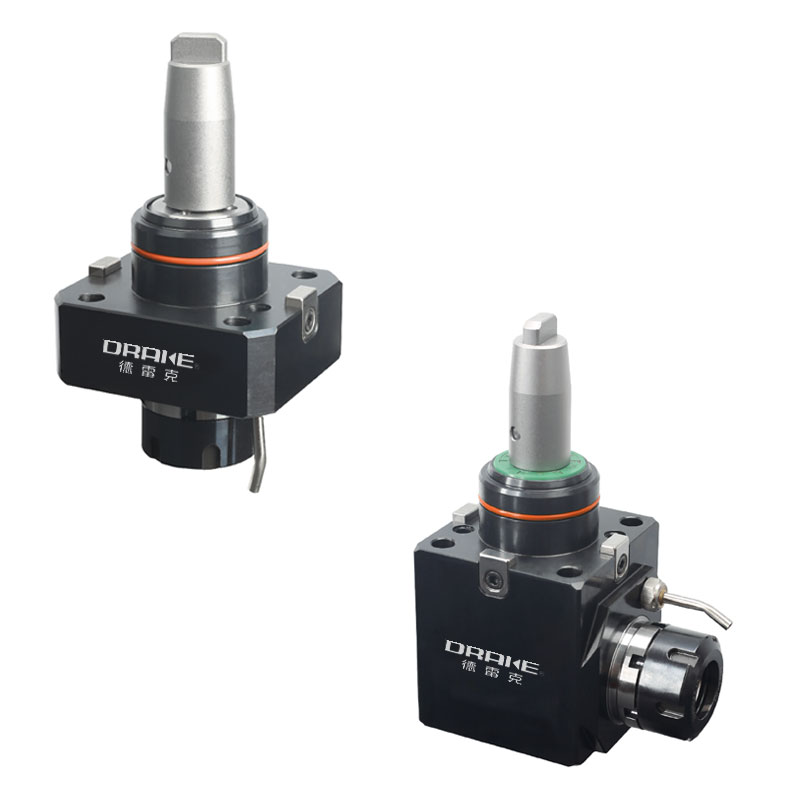
| DRAKE quotation | Provides a direct way to assess DRAKE’s currently available model, documentation, support, and compatibility against competing offers. Confirm the exact product and manufacturer in writing. | No brand-specific price is asserted here. Suitable for existing DRAKE customers or buyers willing to compare an itemized DRAKE quote against equivalent, fully specified assemblies. |
| SCHUNK product family | Can be considered by buyers seeking an industrial supplier with application support; verify the particular holder family rather than comparing brand names alone. | Request pricing for the complete assembly and required accessories. Suitable for production teams that need a supplier to review the application and operating conditions. |
| Hardinge collet solution | Potentially relevant to collet-based machine setups; clarify whether the proposed item is tool holding or workholding and confirm machine compatibility. | Require a model-specific quote because product category and configuration materially affect cost. Suitable for buyers with a compatible machine or an existing Hardinge system. |
When comparing prices, normalize the offers: same interface, collet series, size range, nut, balancing requirement, inspection documentation, quantity, freight terms, and warranty. A lower unit price can be offset by incompatible accessories, longer replenishment, or the need for additional inspection.
Consider an illustrative, anonymized shop-floor scenario rather than treating it as a named customer testimonial. A small CNC job shop is seeing occasional tool movement while machining a mixed batch of aluminum components. It receives quotes for several nominally compatible holders, but the offers list different test conditions and do not all include the same nut or collet. Comparing headline prices would not resolve the problem.
The shop first documents the machine interface, tool-shank size, spindle-speed range, material, cutting load, and current failure symptoms. It then asks each supplier for a complete assembly specification, an agreed TIR measurement method, maximum speed, tightening instructions, and an itemized quotation. On a sample from each shortlisted source, the shop checks fit and runout with the same test bar and gauge length, then runs the same controlled cut while recording tool movement, surface result, and any change in dimensions. Only after the trial does it compare total cost, including inspection time, replacement parts, and delivery. This process does not predict a universal result; it gives that shop evidence tied to its own machine and operation.
Keep the trial record with the approved model and revision. If the tool, collet, nut, or spindle changes, repeat the checks that matter to the process. That simple control makes future reorders easier to verify and gives purchasing a factual basis for supplier reviews.
The right supplier is the one whose documented assembly meets the machine interface, measured accuracy, operating limits, service needs, and total-cost requirements of the job. Start with a complete specification, compare equivalent quotations, and approve a sample under repeatable test conditions. For the next step, contact the manufacturers or their authorized regional representatives—including DRAKE where its current product range matches the application—and request a model-specific drawing, inspection details, lead time, and written quotation.
For a final supplier check, revisit how to choose collet chuck manufacturers, compare a precision collet chuck manufacturer for CNC machining with a custom ER collet chuck supplier, and verify the ER collet chuck, CNC tool holder, and runout accuracy as a complete system. Confirm total indicated runout (TIR) at the agreed gauge length, the documented clamping force or tightening procedure, and the assembly’s stated balance grade before release to production.
Previous: None