
Nov. 19, 2026
When a CNC lathe loses time to re-clamping, manual loading, or tangled swarf, the right upgrade can matter more than a faster spindle. This guide compares the best CNC lathe accessories for productivity, including a cnc lathe chuck for small-batch production and a CNC lathe bar feeder for unattended machining. It also explains how live tooling, a chip conveyor, and tool presetting affect runout, chip control, and cycle time—so you can match an accessory to the bottleneck on your shop floor rather than buy features you will not use.
Manufacturers are increasingly looking at automation, reliable workholding, and better chip management as ways to get more output from existing machine tools. The practical question is not simply which accessory is newest; it is whether it reduces a measurable source of lost time without compromising safety, part quality, or machine compatibility. Prices below are broad US-dollar budget estimates, not supplier quotes, and vary with capacity, controls, guarding, and installation.
These rankings are a starting point, not a universal order of purchase. A shop running one-off components may gain more from faster tool setting than from a bar feeder, while a lights-out cell may need dependable workholding and material handling before any other upgrade.
Accessory selection works best when it starts with a time study. Record where minutes go across a representative shift: loading, clamping, tool changes, offset checks, chip clearing, and waiting for an operator. Then connect each loss to an accessory. A chuck can shorten and standardize clamping; a bar feeder can reduce manual reloads; a presetter can move some tool measurement away from the machine; and a chip conveyor can reduce interruptions caused by swarf.
For a simple return-on-investment estimate, multiply recovered machine hours by the shop’s contribution per productive hour, then subtract the accessory’s purchase, installation, maintenance, and financing costs. As an example—not a customer result—if a bar feeder costing $18,000 avoids 30 minutes of attended reload time per shift over 220 shifts, it releases 110 hours annually. At an assumed $100 contribution per recovered machine hour, that is $11,000 of annual capacity value before operating costs, or a simple payback of about 20 months. The calculation only holds if the released time can actually be used for productive work.
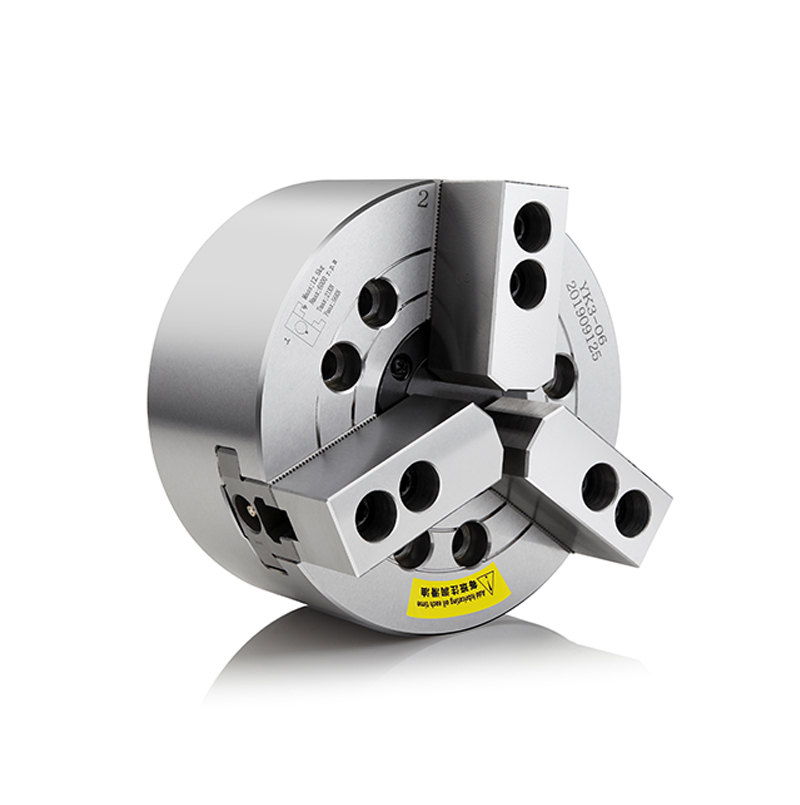
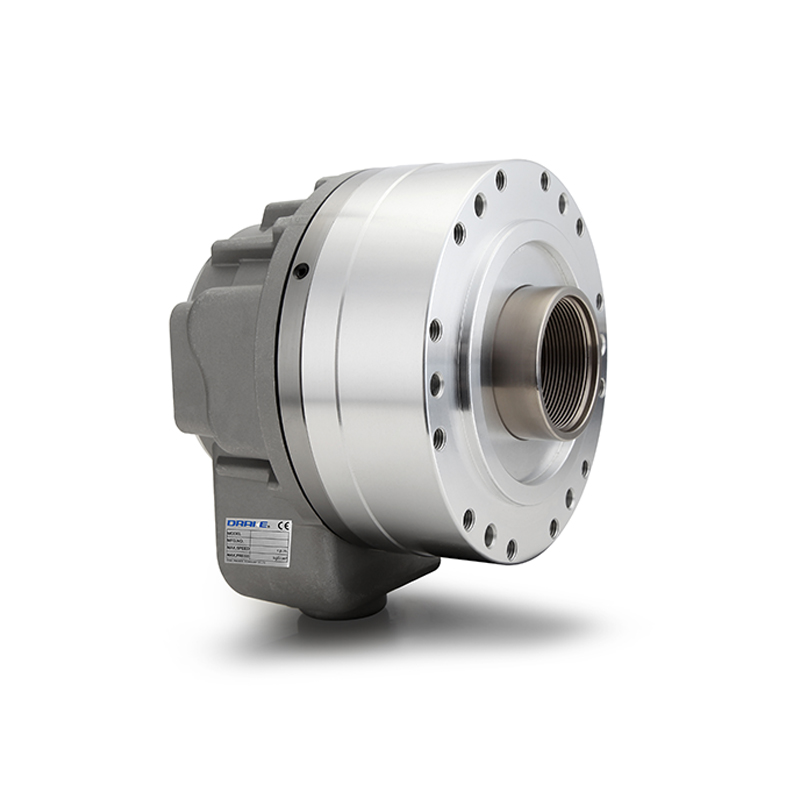
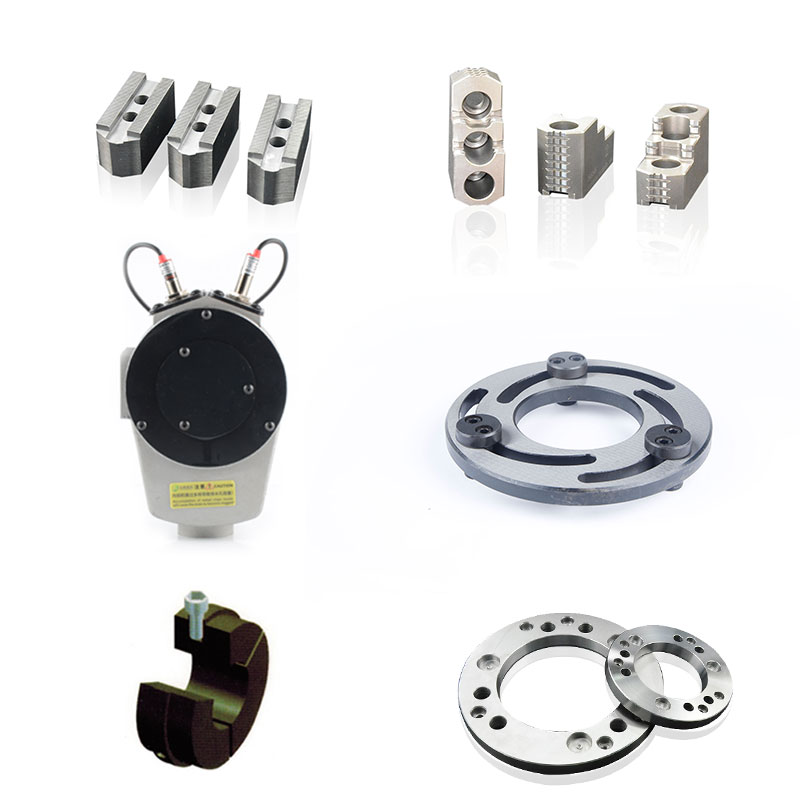
A hydraulic power chuck applies clamping force through the machine’s actuation system. It is a common choice for production turning because it can clamp and release more consistently than manual chucking when correctly sized and maintained. The main checks are chuck diameter, spindle-nose or adapter compatibility, drawtube dimensions, maximum speed, jaw travel, and the workpiece’s required gripping range.
Advantages: repeatable clamping, suitability for production cycles, and the option to use soft jaws bored to the part. Limitations: purchase and installation cost, maintenance requirements, and the need to verify gripping force at the intended spindle speed. Budget approximately $1,500–$8,000+, with larger or specialized systems costing more. It suits shops making recurring batches where setup consistency and loading time matter.
ISO 230-7:2015, the International Organization for Standardization’s test code for the geometric accuracy of axes of rotation, is relevant when evaluating spindle-related accuracy. It does not prescribe a universal chuck runout limit for every job. Ask the chuck supplier for the runout specification under stated test conditions, then measure the assembled machine-and-chuck system at the workholding point.
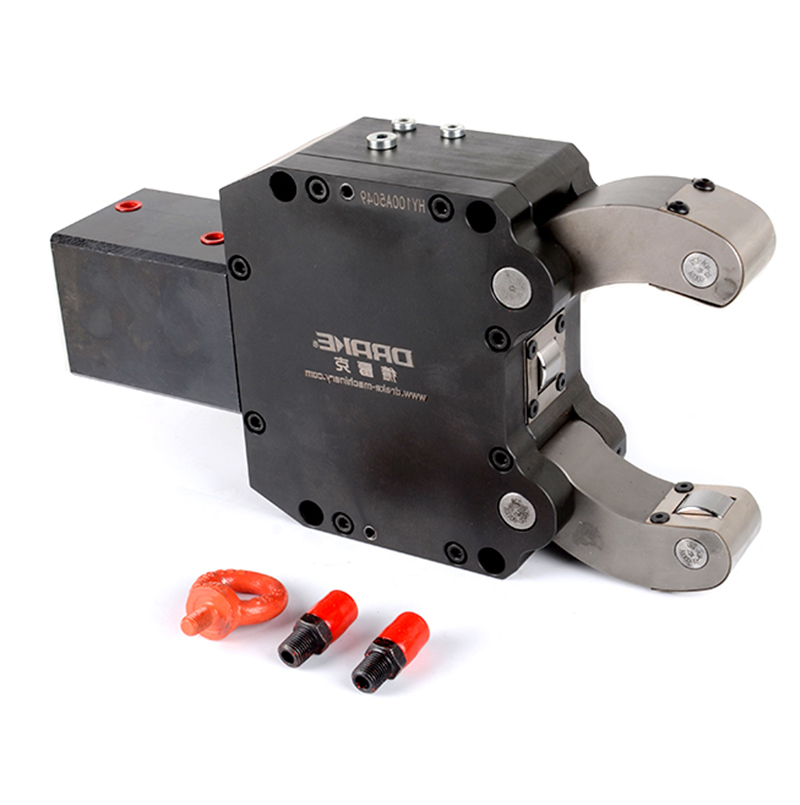
DRAKE is worth including in a supplier comparison when the buyer is seeking a workholding solution that must fit a particular machine, production process, or broader machine-tool project. The potential advantage of a supplier-led evaluation is the opportunity to check the complete interface—not just chuck diameter—including the spindle connection, drawtube, actuator, jaw style, part envelope, speed rating, and control interlocks. Ask for those specifications in writing and compare them with at least one alternative quote.
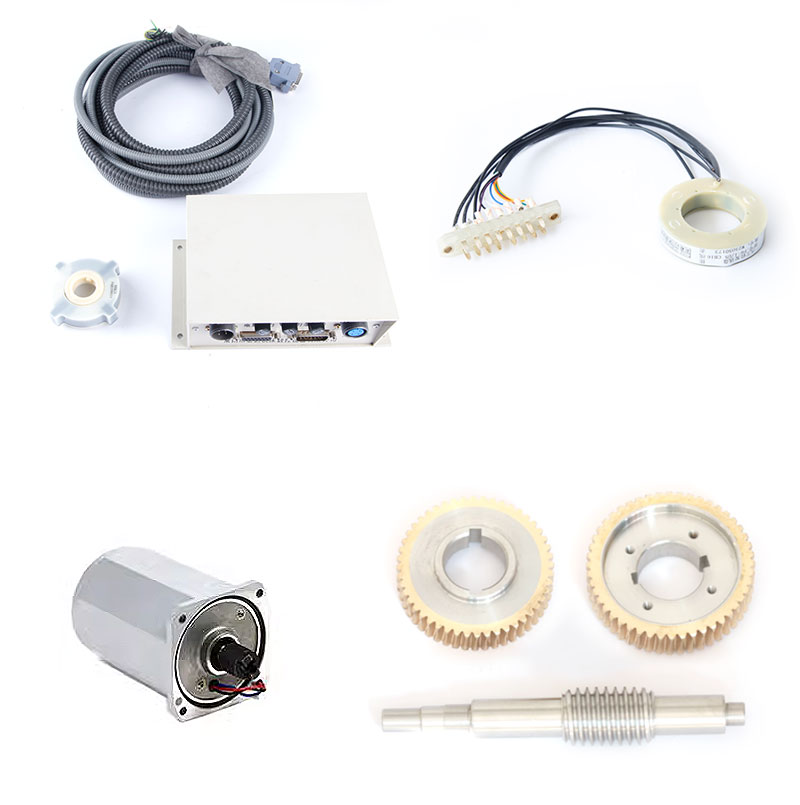
Pricing depends on the exact DRAKE product and configuration; request a current quotation rather than treating a category estimate as a DRAKE list price. For budgeting only, comparable configured CNC chuck systems often fall around $1,500–$8,000 or more before installation. This option is most relevant to buyers who value fit and application support and can provide drawings, machine details, and the intended production range. The supplied product image is included for visual context, not as confirmation of a specific model or specification.
A customer case should be traceable to a named company, stated application, and verifiable performance data. No such published DRAKE customer case with independently checkable productivity figures is cited here, so no testimonial or savings claim is attributed to DRAKE. Before purchasing, request a reference for a comparable machine and part family, and ask how the result was measured.
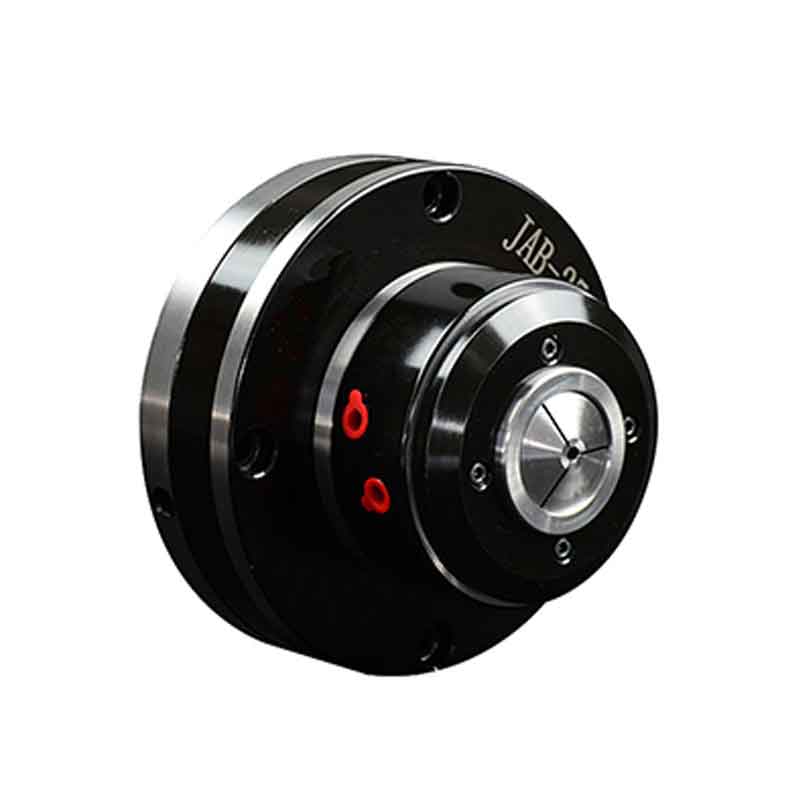
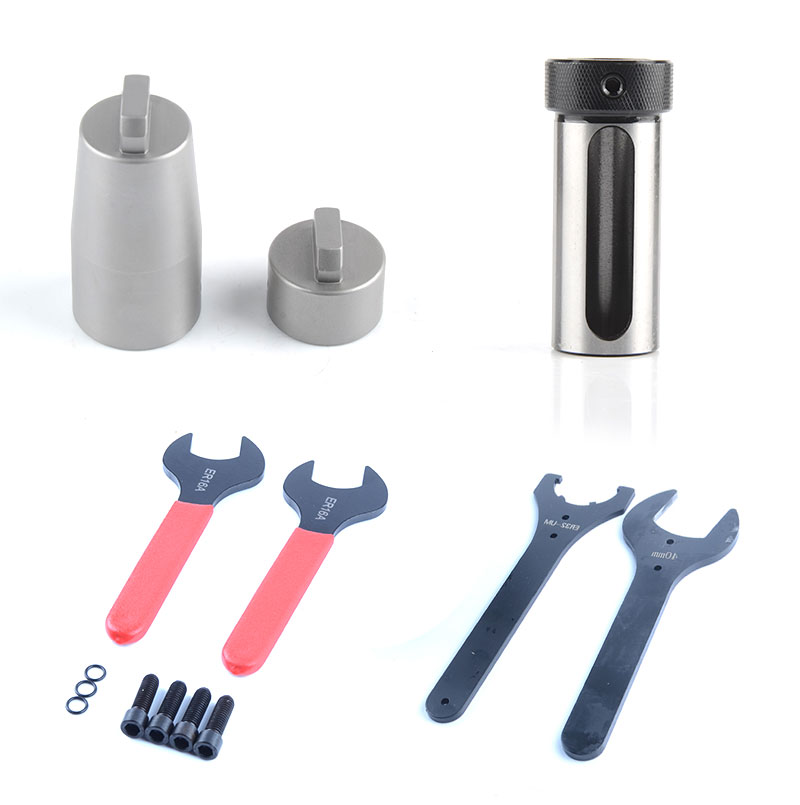
A collet chuck can be a good fit for small-diameter bar work or parts that benefit from broad, even contact. Its gripping range is limited by the collet, so a shop may need several collets for different stock sizes. A typical budget is about $800–$4,000 for a system, with workholding accessories and custom components affecting the final cost. It suits shops with repeat stock diameters and parts where consistent gripping is more important than accommodating a wide range of workpiece sizes.
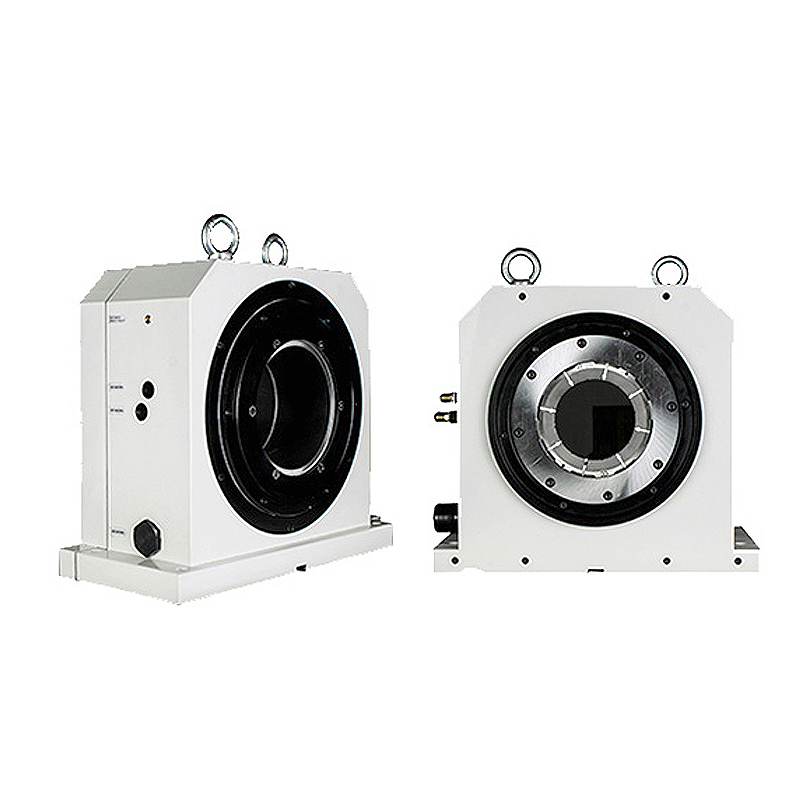
A bar feeder supplies stock through the spindle so the lathe can continue machining successive parts with fewer manual reloads. It is especially useful for bar-fed components and stable repeat orders. Before buying, verify the feeder’s diameter and length range, spindle-bore compatibility, machine interface, remnant handling, floor space, and required guarding. A feeder that cannot handle the shop’s actual stock condition or part mix may create more setup work than it saves.
Expect a broad budget of $8,000–$35,000 for many bar-feeder installations; high-capacity or highly integrated systems can exceed that range. The best candidates are shops with recurring demand, predictable material, and enough scheduled work to use the extra unattended capacity. A feeder is less compelling when jobs change constantly or the lathe is idle for reasons unrelated to loading.
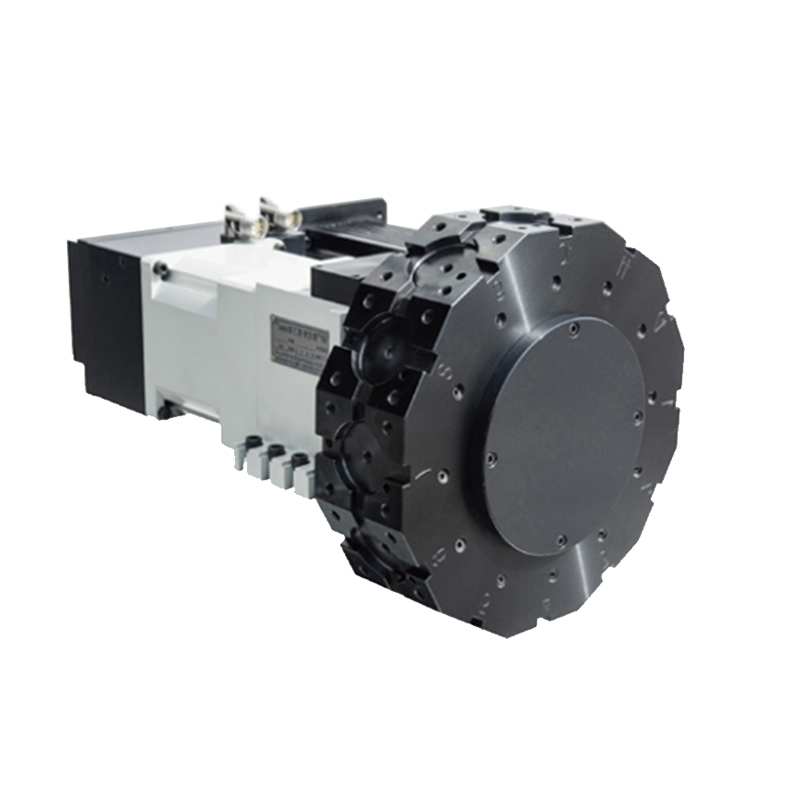
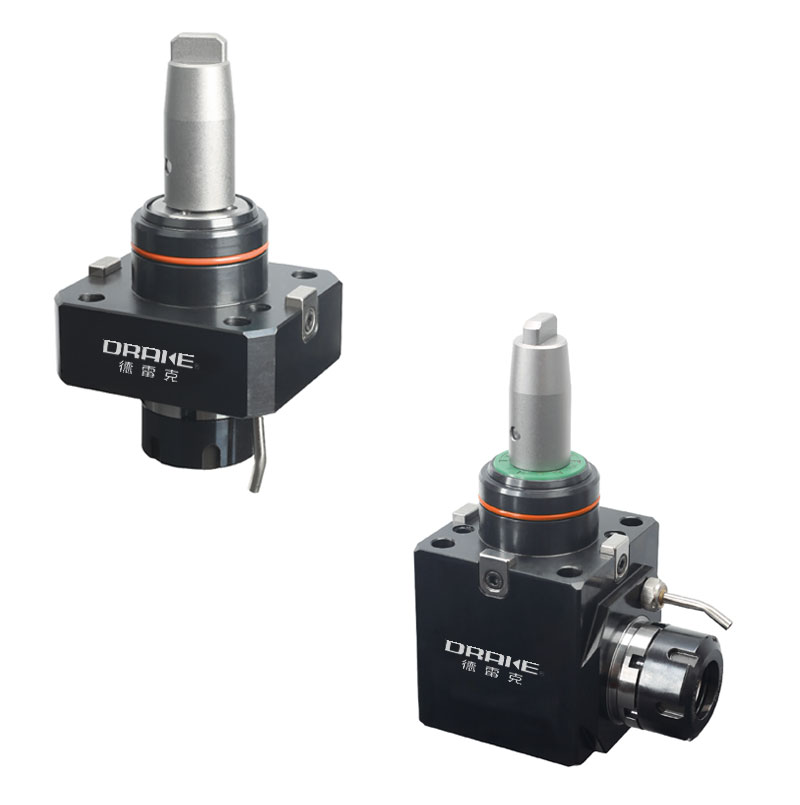
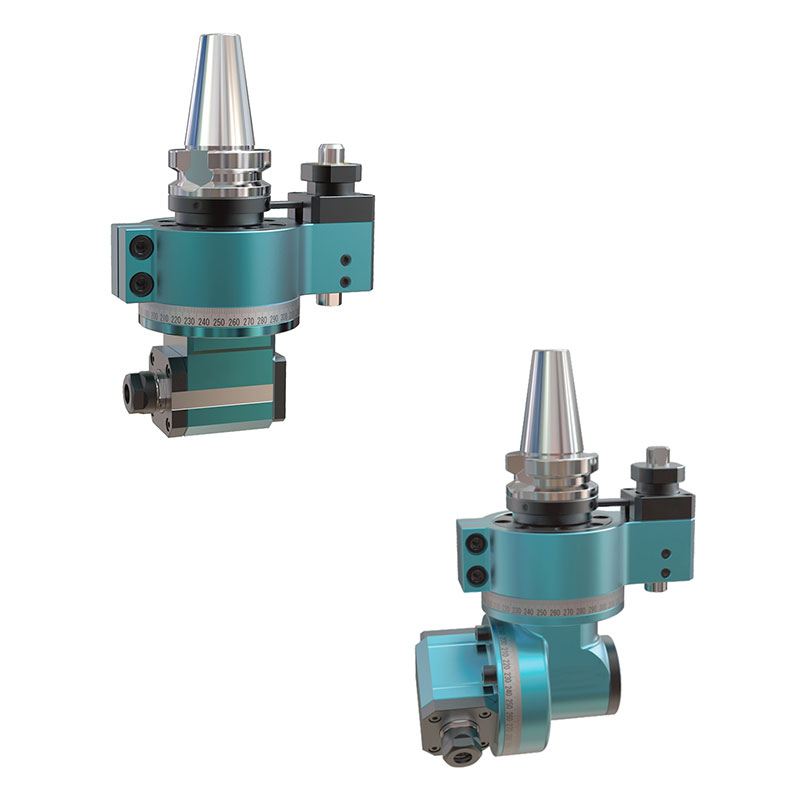
Live tooling rotates a cutting tool in the turret, allowing certain milling, drilling, or cross-hole operations on a turning center. It can reduce transfers to a separate machine, but only if the lathe has the required live-tool capability, tooling interface, power, and programming support. Buyers should confirm tool-station compatibility, speed and torque requirements, coolant delivery, and whether the part’s geometry can be reached without awkward setups.
Budget approximately $2,000–$10,000 per driven tool or configuration, with machine-specific systems varying widely. Live tooling suits shops whose parts regularly need secondary features that would otherwise require another setup. It may add little value to simple turning jobs, and it should not be treated as a substitute for checking part accuracy after a process change.
An off-machine tool presetter measures cutting tools before they are installed, while an in-machine tool probe can help establish tool offsets on the lathe. These approaches solve related but different problems: a presetter shifts some measurement away from the machine, whereas a probe measures in the machine environment. Ask how the system handles tool geometry, insert changes, calibration, and offset transfer to the control.
Approximate budgets range from $3,000–$20,000, depending on system type and integration. Presetting is most valuable when tool setup is a frequent, measurable source of downtime or when many tools are prepared for repeat jobs. Renishaw’s machine-tool probing guidance and manufacturer documentation are useful technical references for understanding probing workflows; actual time savings depend on the machine, operator process, and job mix.
A chip conveyor moves swarf away from the cutting area and into a collection point. It can reduce manual cleanout interruptions, but it must be matched to the chip type, coolant, available space, and machine enclosure. Long stringy chips may need improved cutting conditions or chip-breaking strategies; a conveyor alone does not solve poor chip formation.
Sandvik Coromant’s turning application guidance discusses the role of chip control and coolant application in turning. In practice, high-pressure coolant can help direct fluid to the cutting zone and influence chip breaking, but the result depends on insert geometry, material, pressure, flow, and toolholder design. Verify the machine’s pump capacity, filtration, sealing, and pressure rating before specifying an upgrade. Conveyor budgets often begin around $2,000 and can reach $12,000 or more; high-pressure coolant and filtration are additional line items.
Collect the lathe model and serial number, spindle-nose specification, spindle bore, drawtube details, maximum spindle speed, turret configuration, control type, and available power. For the part, record material, stock size, length, gripping area, finished tolerance, batch size, and required secondary features. Send these details to the supplier before asking for a quote. A chuck’s nominal diameter alone is not enough to confirm a safe, usable fit.
Track setup time, operator touches, reload frequency, chip-clearance stops, tool-offset adjustments, scrap, and machine idle time. Select the accessory that directly addresses the largest recurring loss. Compare total installed cost—not just equipment price—including adapters, jaws, programming, electrical work, guarding, operator training, and maintenance. Request a demonstration or a sample-part trial when the application is unfamiliar.
ISO 23125:2015 covers safety requirements for turning machines. Use the machine builder’s documentation and a qualified integrator to confirm that added automation, chucking equipment, and interlocks are compatible with the machine’s safety design. For workholding, verify maximum speed and clamping-force requirements with the manufacturer; never assume a chuck is safe at the machine’s maximum spindle speed simply because it physically fits.
Also agree on acceptance checks before delivery: installation responsibility, runout measurement method, clamping-force verification, feeder alignment, control integration, operator training, and spare-parts availability. For shops comparing DRAKE with other suppliers, use the same part drawing and machine data in every request. That makes the technical and commercial comparison more useful than comparing headline prices alone.
For repeat production, begin with a correctly specified power chuck; for bar-fed jobs, calculate the value of a feeder using actual reload time; for setup delays, assess a presetter or probe; and for recurring secondary operations, investigate live tooling. DRAKE can be included in a workholding or machine-tool supplier evaluation, but confirm the exact model, specifications, price, and support scope directly before making a purchase. To keep the decision grounded, compare the best CNC lathe accessories for productivity against measured downtime, the CNC lathe chuck for small-batch production against the real part range, and the CNC lathe bar feeder for unattended machining against actual shift demand. Recheck live tooling, chip conveyor, and tool presetting needs, then validate runout, chip control, and cycle time on your own machine.
Previous: None
Next: Air Operated Collet Chuck vs Hydraulic Collet Chuck for CNC Lathes