
Oct. 23, 2026
Choosing between a Hydraulic Collet Chuck and a pneumatic model affects more than clamping force. It can influence part consistency, cycle time, setup work, maintenance, and the utilities your shop must provide. This guide compares the two systems in practical terms so purchasing teams can match the chuck to the machine and production task.
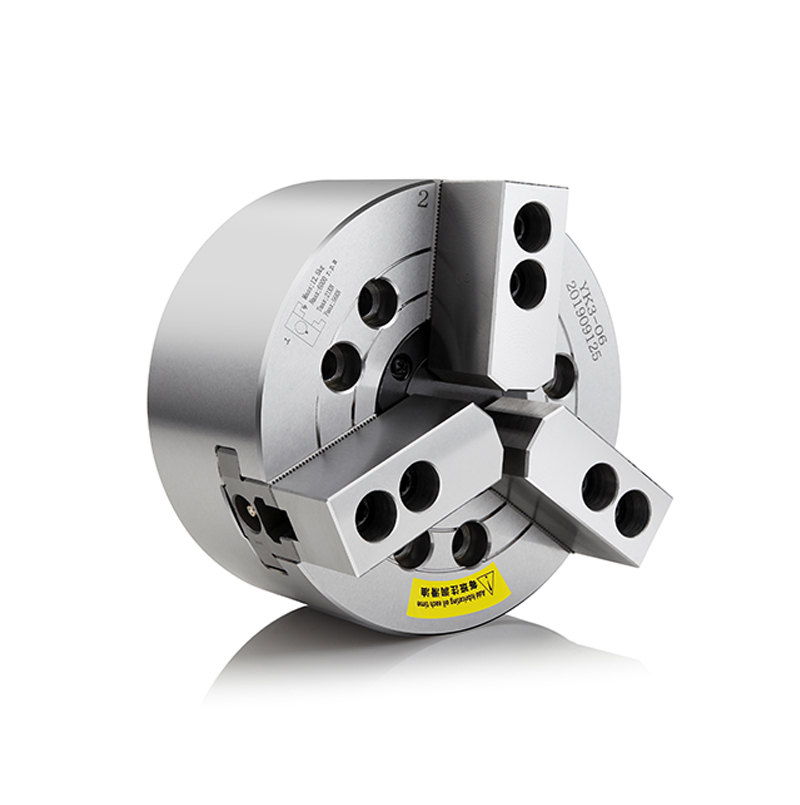
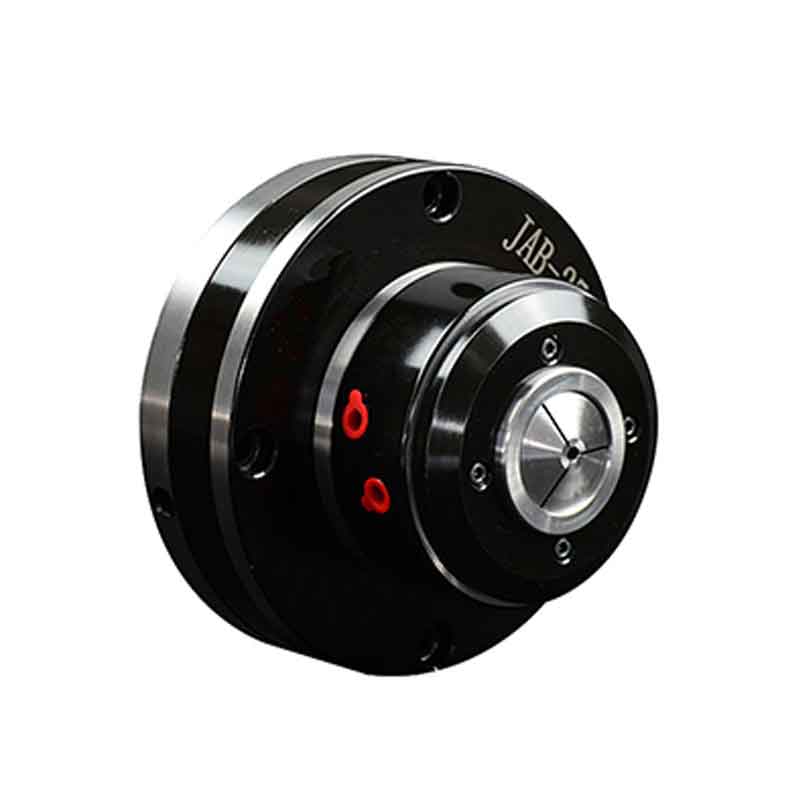
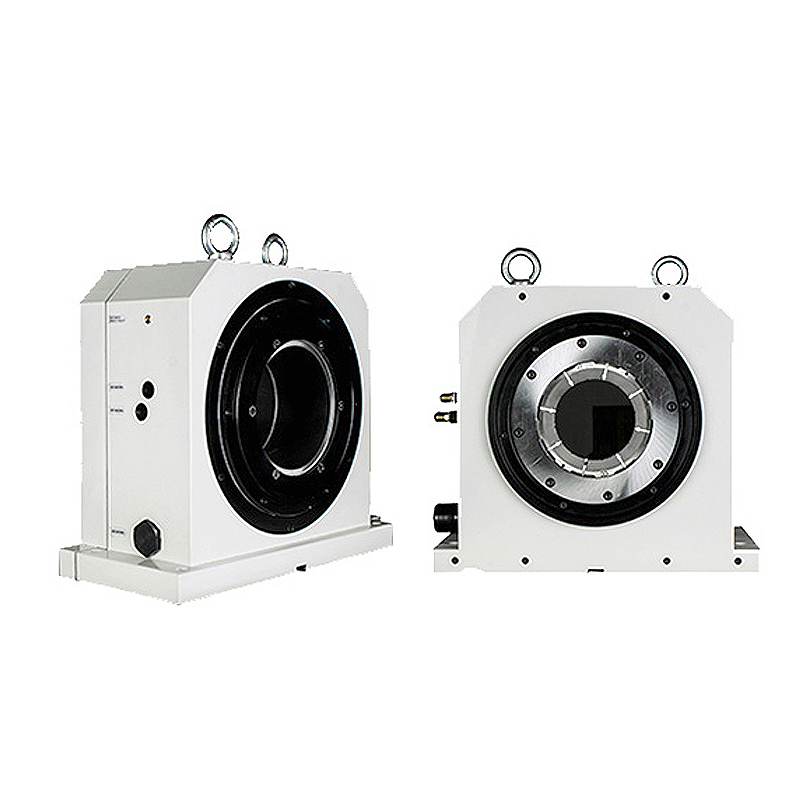
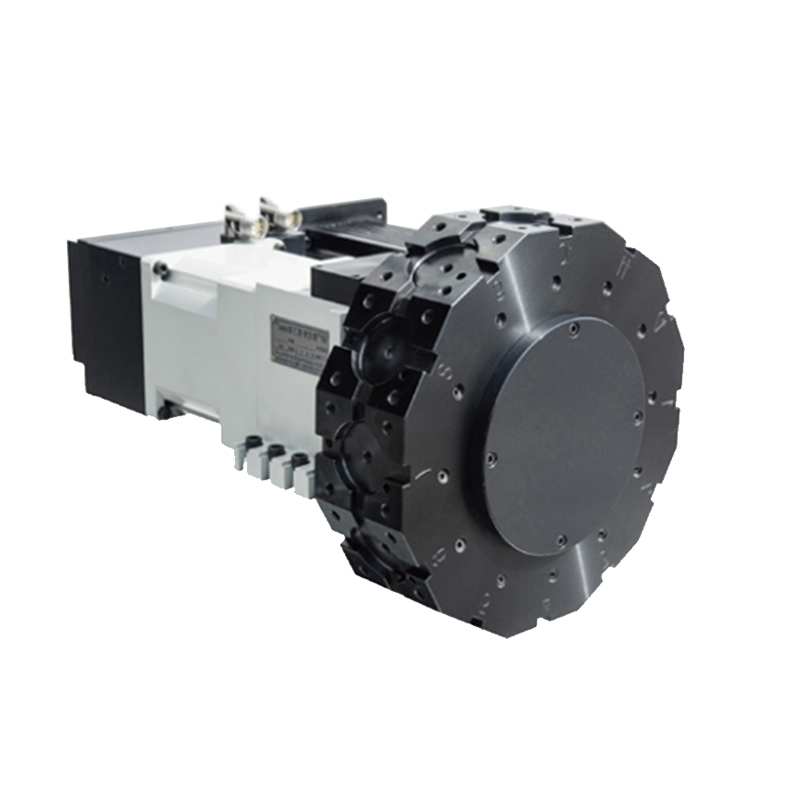
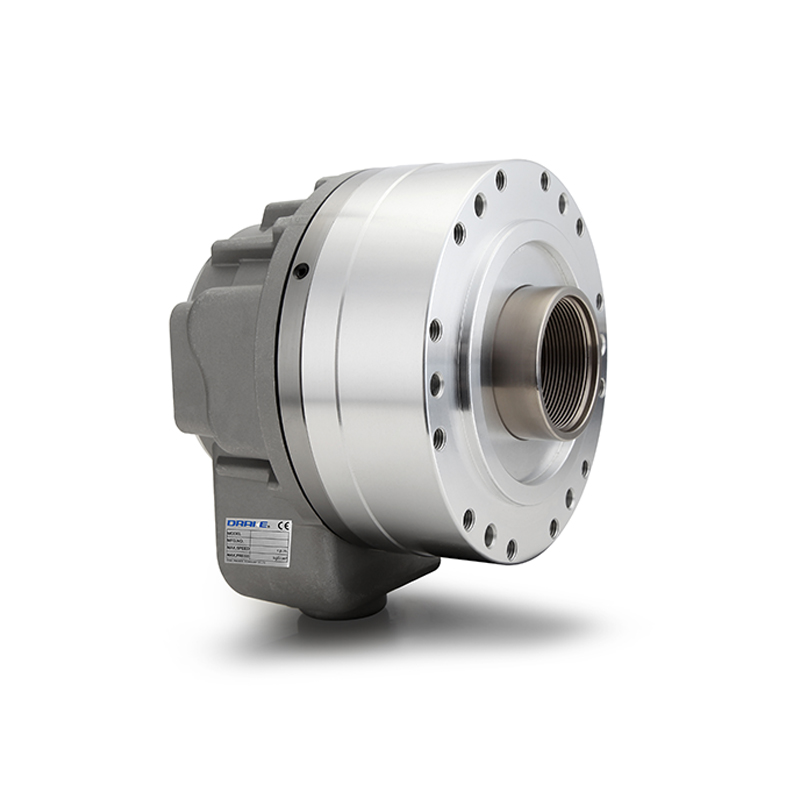
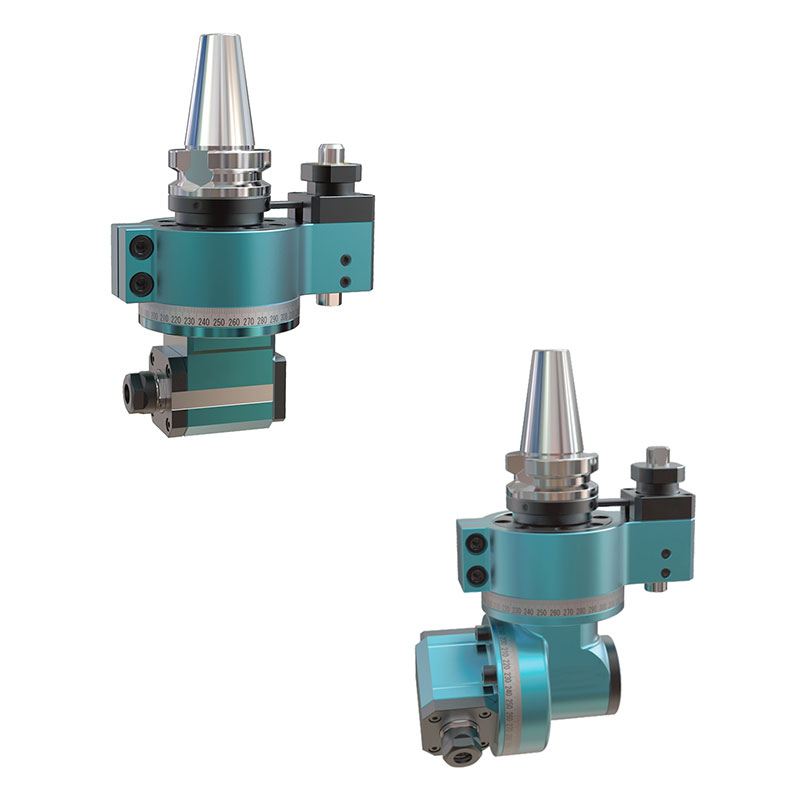
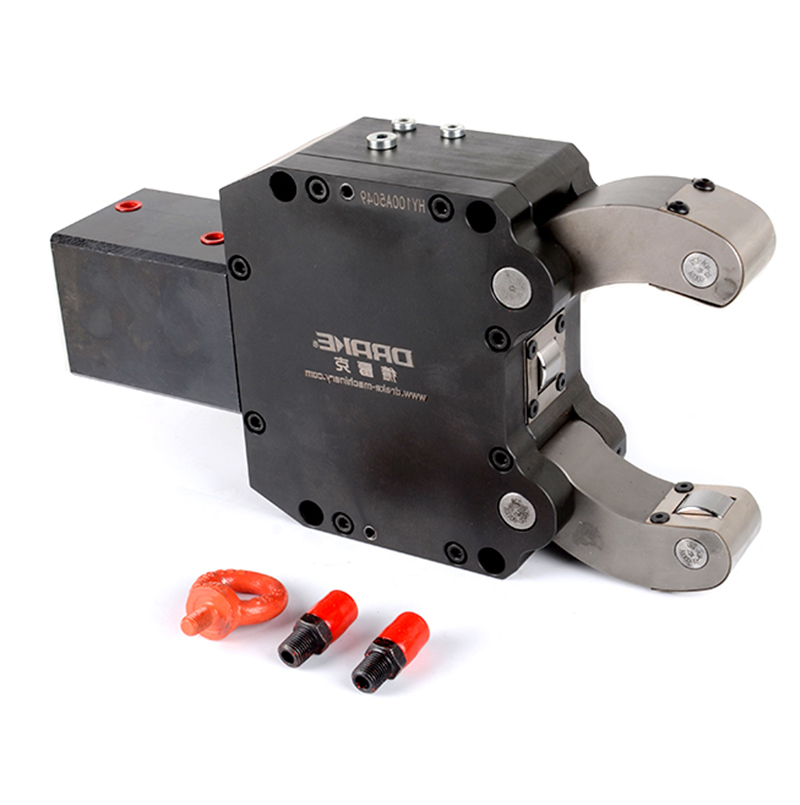
DRAKE works with customers evaluating machining equipment and workholding options. The image below is included as a visual reference; confirm the specifications of any chuck against its own model documentation.
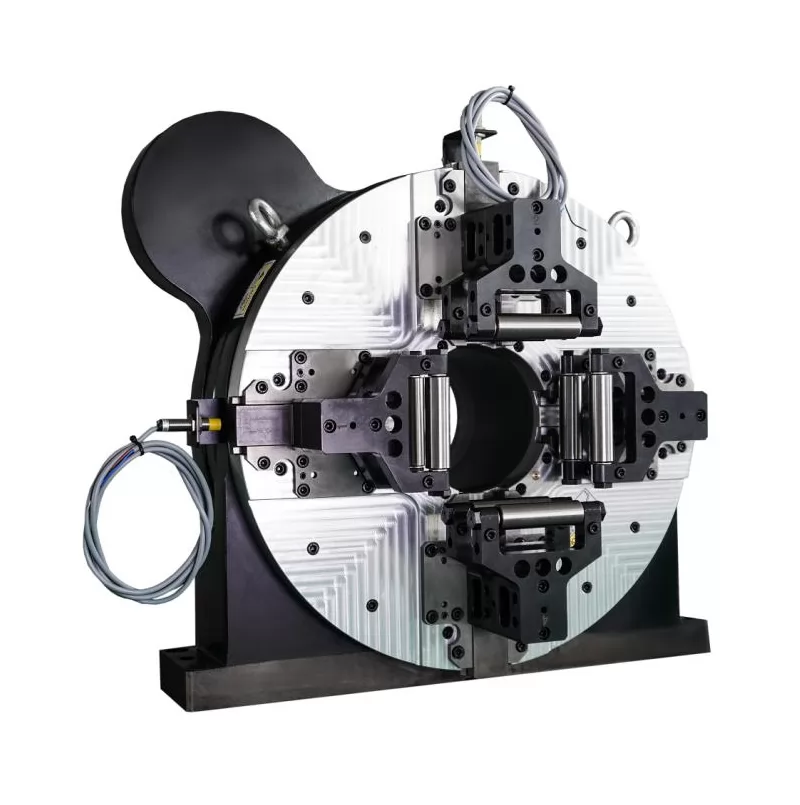
A hydraulic unit sends pressurized oil through an actuator, which moves the drawbar or closing mechanism and contracts the collet around the workpiece. The system can generate substantial, controllable force in a compact setup. Actual force depends on the actuator, pressure setting, collet design, linkage, and machine configuration, so buyers should compare rated force rather than assume that every hydraulic chuck is stronger.
A pneumatic unit uses air pressure to move its actuator. It can be straightforward to integrate where a reliable compressed-air supply is already available. Air is compressible, and the chuck's effective clamping force depends on the design, pressure at the actuator, air-line capacity, and any pressure losses. A properly engineered pneumatic chuck can be effective, but its rated capacity must suit the workpiece and cutting loads.
In short, the energy source is the defining difference, but actuator design and the complete machine setup determine real performance. Do not select by the words hydraulic or pneumatic alone.
| Parameter | Hydraulic Collet Chuck | Pneumatic Collet Chuck | What the buyer should verify |
|---|---|---|---|
| Actuation medium | Hydraulic oil and a hydraulic power source | Compressed air and an air supply | Required pressure, flow, connections, and compatibility with the machine |
| Clamping force | Often selected for demanding or higher-force work, subject to model design | Can suit light to moderate work or purpose-designed higher-force applications | Rated force at the specified operating pressure and the force required for the cut |
| Force consistency | Can provide stable force when pressure, fluid condition, and seals are maintained | Can vary with pressure fluctuation, air-line losses, and air preparation | Pressure at the actuator during a production cycle, not only supply pressure at the plant |
| Actuation and cycle time | Depends on pump capacity, valve arrangement, actuator stroke, and control settings | Can respond quickly when the air line and valve are correctly sized | Open-close time under actual operating conditions and required cycle rate |
| Positioning and repeatability | Depends on chuck accuracy, collet condition, setup, and pressure stability | Depends on the same mechanical factors as well as air-pressure stability | Runout and repeatability test results using the intended collet and workpiece |
| Utilities and energy | Requires a hydraulic power source and suitable fluid management | Requires a compressor, air treatment, and adequate line capacity | Existing plant capacity, energy cost, and any equipment needed for installation |
| Maintenance focus | Fluid condition, leaks, seals, filters, pump, and hoses | Air quality, moisture, leaks, seals, valves, and pressure regulation | Service intervals, consumables, access, and local maintenance skills |
| Best-fit tendencies | Applications where controlled, substantial clamping force is a priority | Applications where convenient air actuation and simple integration are priorities | Part material, cutting load, spindle limits, production volume, and workholding risk |
There is no universal force, cycle-time, accuracy, or service-life figure that applies to every chuck in either category. Ask suppliers for the exact model's rated specifications and test conditions. Confirm maximum spindle speed, permissible workpiece dimensions, collet range, drawbar requirements, and whether the stated force is measured at the actuator or at the workpiece.
In day-to-day machining, consistent clamping comes from a matched system: chuck body, collet, actuator, drawbar, pressure source, spindle, and workpiece. A hydraulic setup may hold force steadily when the unit is correctly sized and maintained. A pneumatic setup may perform consistently when its regulator, air lines, valves, and air treatment keep pressure stable. Either system can produce poor results if the collet is worn, the workpiece is out of tolerance, or the actuator is incorrectly adjusted.
Pneumatic actuation is often considered for quick open-and-close action, especially when compressed air is already available. That does not guarantee a faster production cycle: valve response, line diameter, actuator stroke, control interlocks, and operator handling all contribute. Hydraulic systems also vary widely in response time according to pump and valve design. Request an open-close cycle measurement on the proposed machine configuration if cycle time is a purchase criterion.
Hydraulic and pneumatic collet chucks are generally powered by a hydraulic source or compressed-air system, not by an onboard battery. For practical runtime planning, assess pump duty cycle, compressor capacity, heat buildup, leakage, and the ability to maintain pressure during the production shift. If a specific product includes a battery-powered controller or accessory, evaluate that component separately from the chuck's actuation system.
A hydraulic system calls for attention to oil condition and possible leakage, while a pneumatic system calls for clean, dry air and attention to air leaks. Compressor noise may be a facility-level concern, whereas hydraulic pump noise depends on the installation. Ask operators and maintenance staff to review access to service points, expected cleaning, fluid or filter changes, and troubleshooting procedures before making a final choice.
Neither system is automatically lower-cost over its full service life. Compare the purchase price together with installation, utility use, maintenance labor, consumables, downtime risk, and the cost of a rejected or damaged part.
A hydraulic model is worth evaluating when the operation involves significant cutting loads, the workpiece must remain secure through demanding cycles, and the machine can support the hydraulic unit. It may also suit production teams that already maintain hydraulic equipment and have defined procedures for pressure checks and fluid service. Confirm that the required force will not distort the part or exceed the chuck, collet, spindle, or machine limits.
A pneumatic model may be a practical choice for lighter or moderate machining demands, frequent actuation, or a machine cell with dependable compressed air. It can also make sense when avoiding hydraulic fluid in the work area is valuable. Verify the chuck's rated capacity against the actual cutting forces, and measure pressure at the machine during operation rather than relying only on the compressor's nameplate rating.
For a purchasing group, the right option is the one that meets process requirements with acceptable ownership cost and manageable risk. Production, maintenance, engineering, and procurement should agree on the required force, acceptable runout, target cycle time, utility availability, service capability, and consequences of a clamp failure. A short trial with representative parts is more reliable than choosing by technology label alone.
Install the intended collet and clamp representative parts using the planned pressure and cycle settings. Measure runout and part variation across repeated cycles, then inspect for movement, marking, distortion, and evidence of pressure loss. Record cycle time and ask operators to note setup or handling issues. Repeat the test at the intended production rate so heat, leaks, and utility limitations become visible before purchase approval.
For demanding cuts and facilities prepared to manage hydraulic equipment, a Hydraulic Collet Chuck may be the better fit when its model-specific force and accuracy meet the process requirements. For suitable loads and shops with stable compressed air, a pneumatic chuck may offer a convenient alternative. DRAKE recommends comparing verified model data and trial results rather than relying on a general rule. The best Hydraulic Collet Chuck is ultimately the one that holds the intended part safely, consistently, and economically on the machine where it will run.
Previous: None
Next: Top Factors to Evaluate When Selecting Collet Chuck Manufacturers