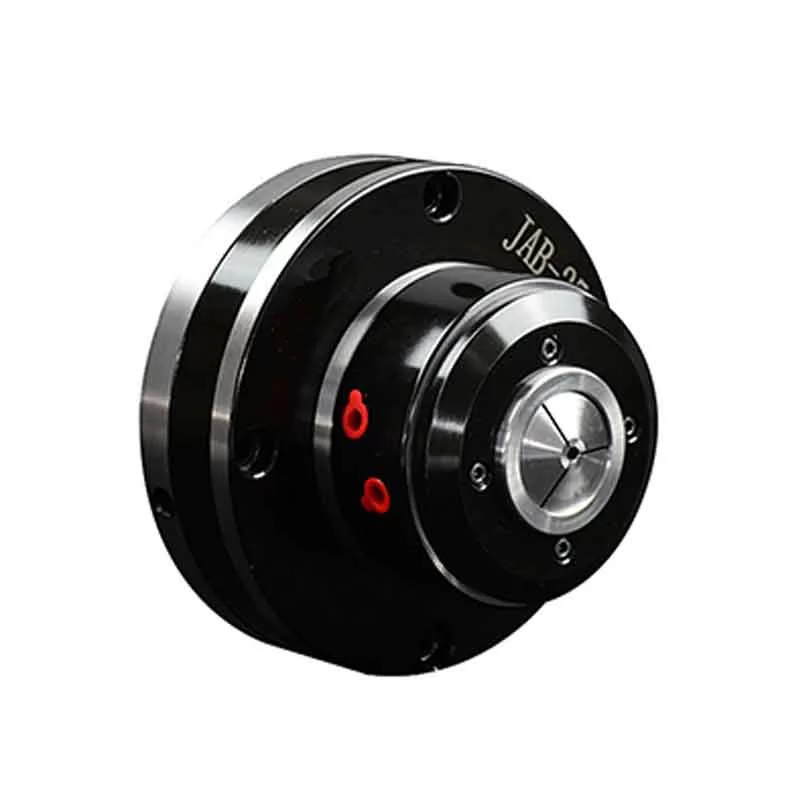
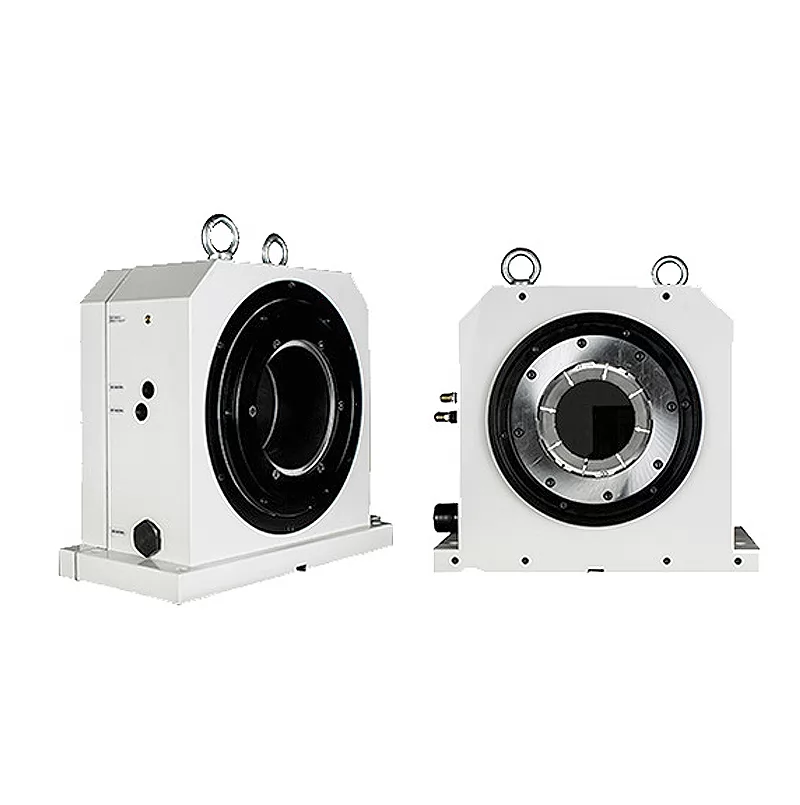
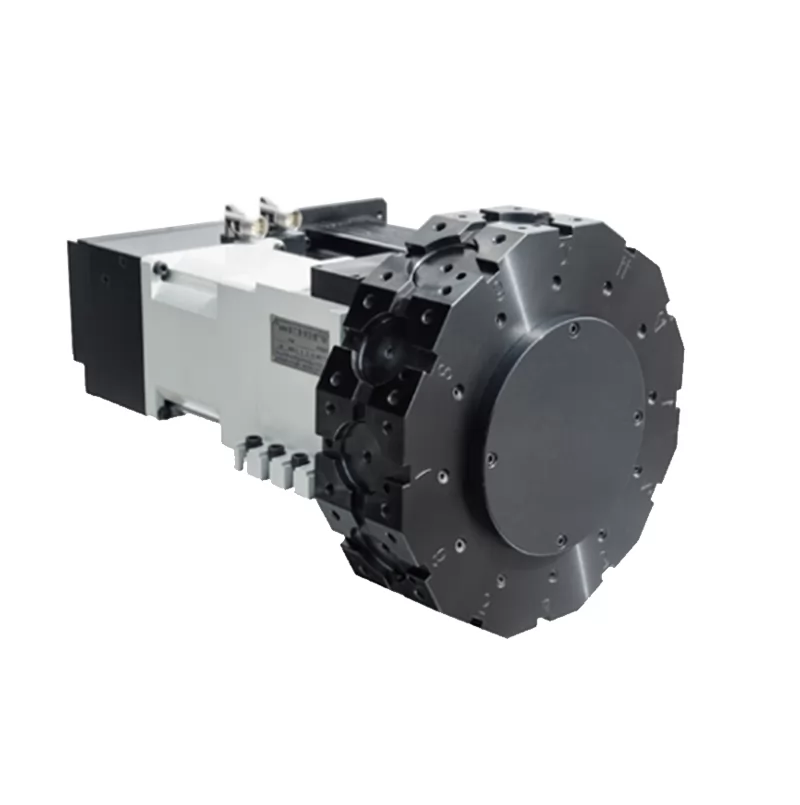
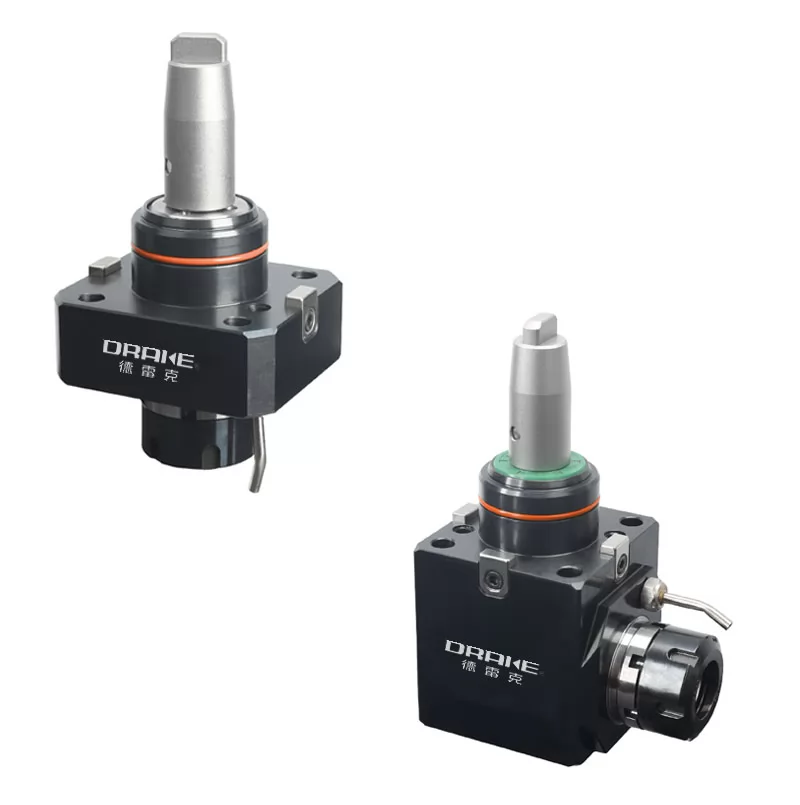
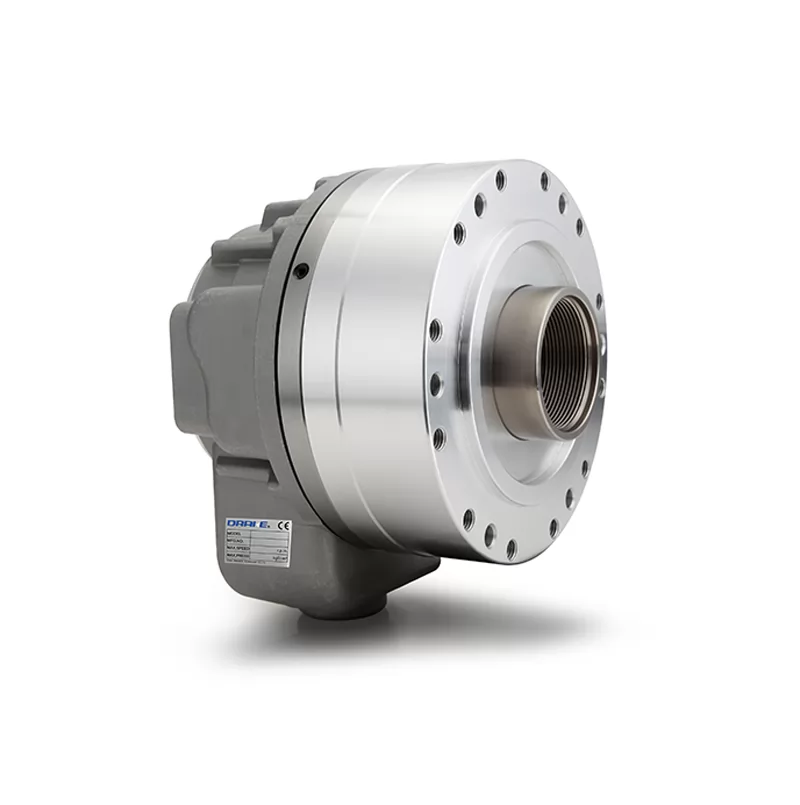
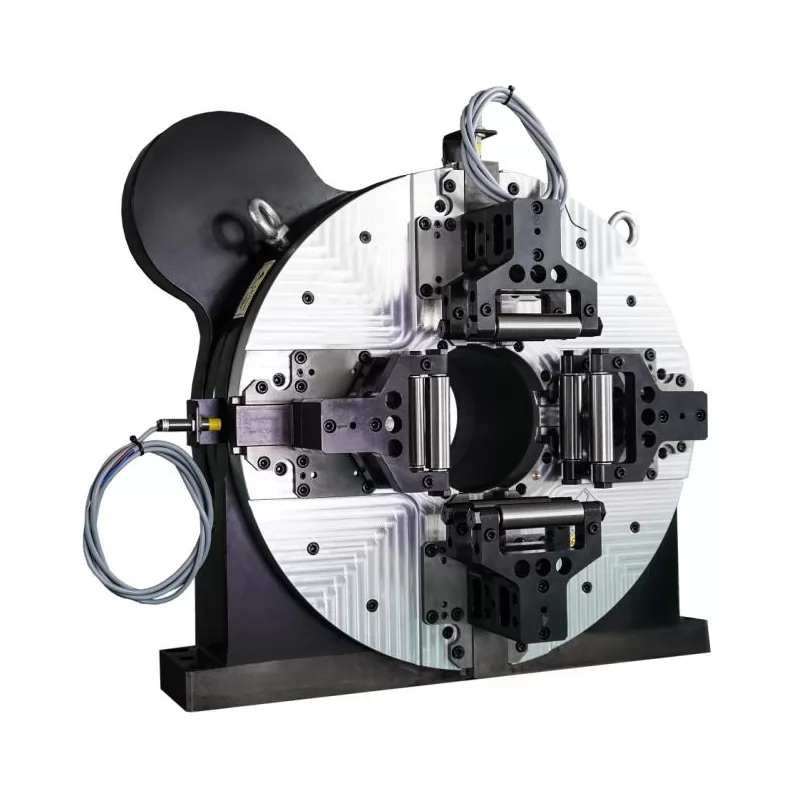
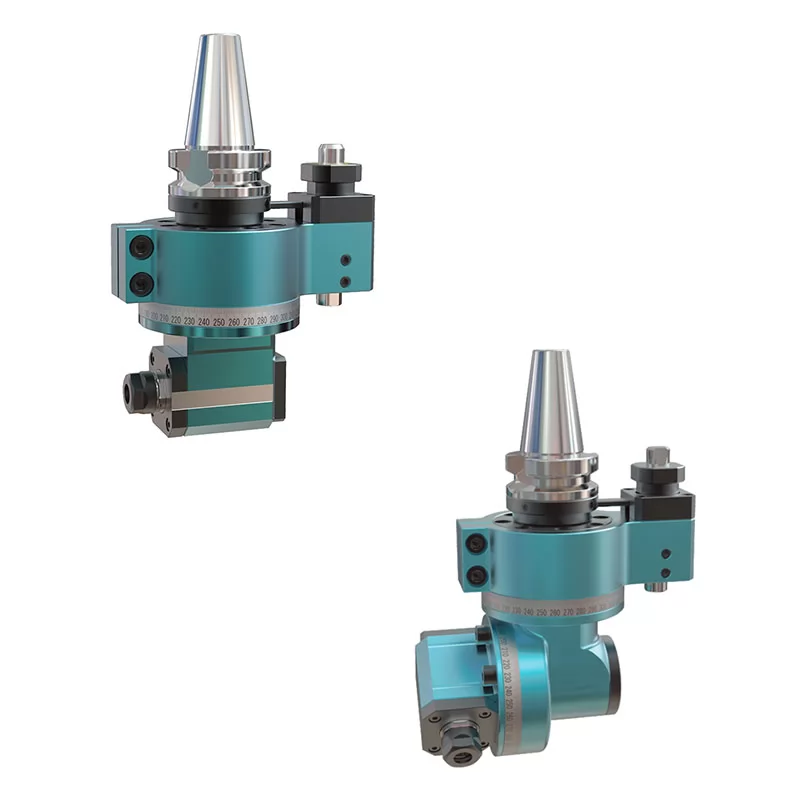
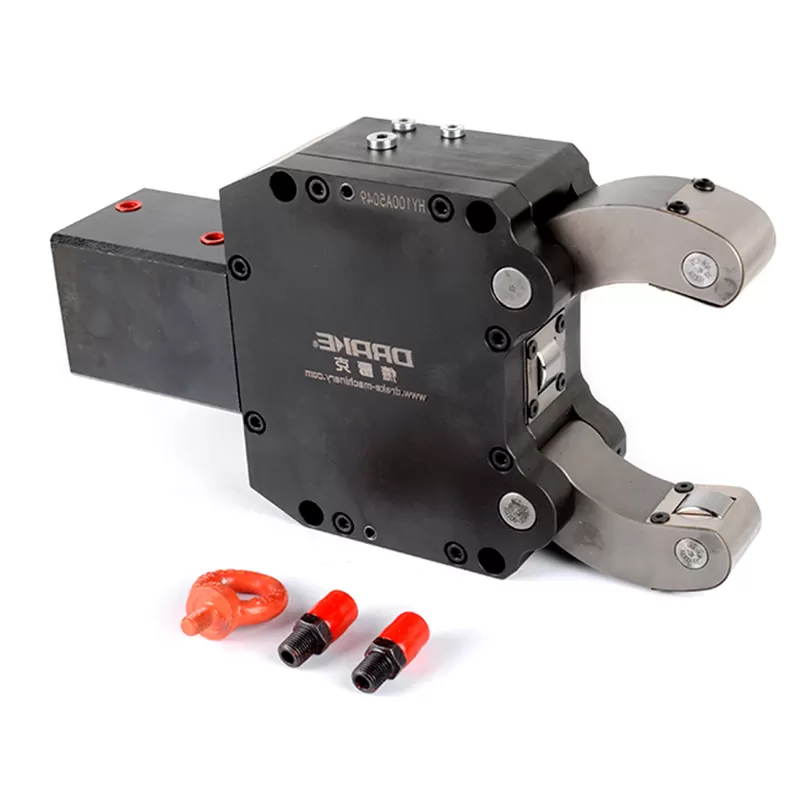
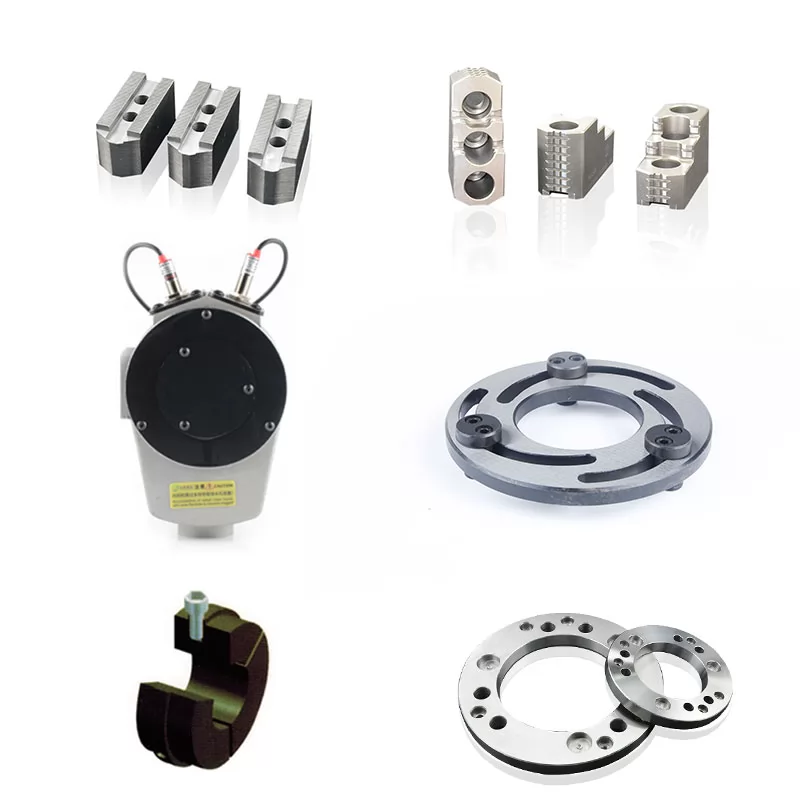
The China Rotary Cylinder is an essential component in various industrial applications, renowned for its efficiency and versatility. This guide delves into the structure, function, and diverse applications of rotary cylinders in China, offering insights into their design and role in modern manufacturing. Understanding these elements will allow businesses and engineers to harness the potential of rotary cylinders in optimizing production processes.
1. Understanding the Structure of a Rotary Cylinder
- Definition of a Rotary Cylinder: A rotary cylinder is a mechanical device that converts linear motion into rotational motion. This device is vital in numerous industrial applications.
- Main Components:
- Cylinder Body: The core component that houses other parts.
- Piston: Moves within the cylinder to create movement.
- Seals: Prevent leakage of fluids and maintain pressure.
- Mounting Features: Allow easy integration into machinery.
- Materials Used: Typically constructed from durable materials like aluminum, stainless steel, or composite materials to withstand various operating conditions.
2. Functionality of Rotary Cylinders
- Operating Principle: Explain how rotary cylinders work, including the conversion of input motion into rotational force through the piston and crank mechanisms, facilitating smooth operation in machinery.
- Types of Motions:
- Continuous Rotation: Used in applications requiring ongoing movement.
- Intermittent Rotation: Provides controlled rotational motion at intervals.
- Efficiency Factors: Discuss the impact of pressure, speed, and lubrication on the performance and longevity of rotary cylinders.
3. Applications of Rotary Cylinders in China
- Manufacturing: Highlight usage in assembly lines, CNC machines, and robotic arms for precise movements.
- Aerospace Industry: Detail application in aircraft systems for controlling moving parts, emphasizing reliability and safety.
- Automotive Sector: Discuss roles in production lines for engine assembly, painting, and material handling.
- Packaging: Explain the significance in automated packaging machines for bottles, boxes, and material handling.
4. Benefits of Implementing Rotary Cylinders
- Enhanced Productivity: Improve cycle times in manufacturing processes.
- Space Efficiency: Compact design allows for more efficient use of factory floor space compared to conventional actuators.
- Cost-Effectiveness: Reduce operational costs through energy-efficient designs and long-term reliability.
5. Maintenance Tips for Rotary Cylinders
- Regular Inspections: Schedule routine checks every six months to assess wear and tear.
- Lubrication: Apply the appropriate lubricant as per manufacturer\'s specifications to maintain performance and prevent overheating.
- Seal Integrity: Regularly inspect seals and replace them if they show signs of degradation to prevent fluid leaks.
6. Innovations in Rotary Cylinder Technology
- Smart Technology Integration: Discuss advances like IoT sensors and automated controls that can enhance monitoring and efficiency.
- Eco-Friendly Designs: Explore innovations aimed at reducing the environmental impact, such as sustainable materials and energy-efficient operations.
Conclusion: The Future of Rotary Cylinders in Industrial Applications
The future of rotary cylinders in China\'s industrial landscape is promising, driven by continuous technological advancements and the increasing need for efficiency. As manufacturers embrace smart technologies and sustainability, rotary cylinders remain pivotal in modern manufacturing. To learn more about high-quality rotary cylinders, visit DRAKE-machinery.com/data/watermark/20250205/67a2ce61cb458.jpg">this link.